
This work is licensed under a Creative Commons Attribution-NonCommercial-ShareAlike 4.0 International License.
This work is licensed under a Creative Commons Attribution-NonCommercial-ShareAlike 4.0 International License.
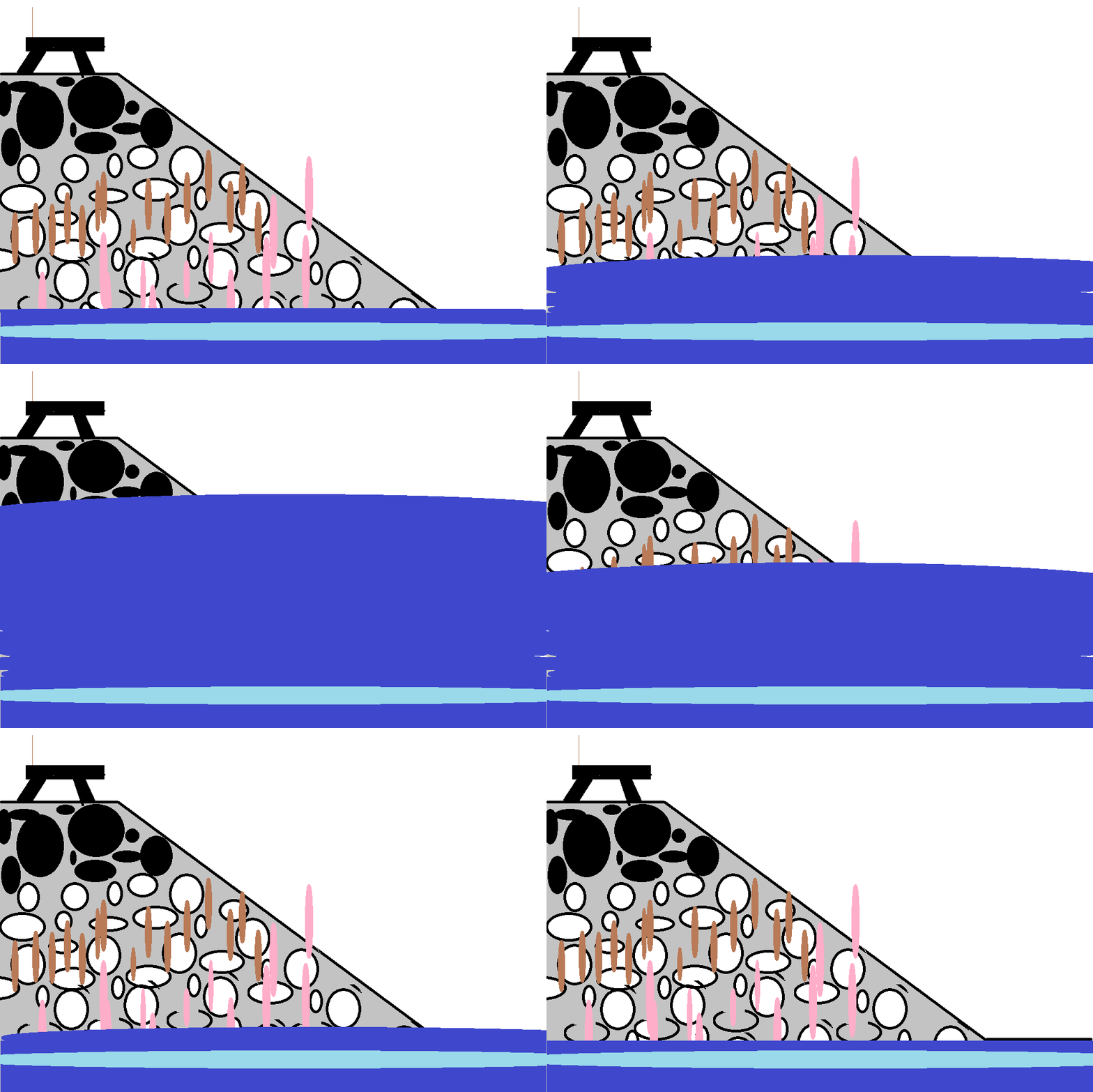
Our seventh grade when to Odiorne point the week after testing. We learned about and caught many animals and small creatures, as well as finding cool plants and seaweed. We had a lot of fun, both at the beach and getting icecream after.
High up on the beach,
Where the waves just barely reach,
Where the splash zone is.
The Splash Zone, or Black Zone, of the rocky shores, is the highest intertidal zone. It gets its name due to the fact that little water reaches here, and the rocks are covered in Cyanobacteria, causing the rocks to appear blackish in color. The color of the rocks creates a defining factor on the rocky beaches of New England.
Barnacles galore,
The rocks barely see the sun,
Lots of small creatures
The white zone is the second-highest intertidal zone on the rocky shores of North America. The white zone gets its name from the barnacles that attach all over the rocks, right on top of the cyanobacteria, making them appear white. This zone gets wet during the high tides but stays fairly dry during the lower tides.
The Red Zone has the most variety because it has as much as if not more than, all the cyanobacteria, barnacles, and seaweed from the zones higher on the beach. It also has Irish moss and Bubble Gum Moss, as well as animals and small creatures and tidal pools. There were also Limpits, Sea Lace, Baby Lobsters, Green Crabs, Starfish. There were so many other small animals, for example, Sea Urchins, Daisy Brittle stars, nudibranch, mussels, and oysters. It also has the most variety of seaweed and other animals. The water, wich covers 71% of earth, can cover this zone completely, giving just a small portion of it's great beauty and diversity to this zone.
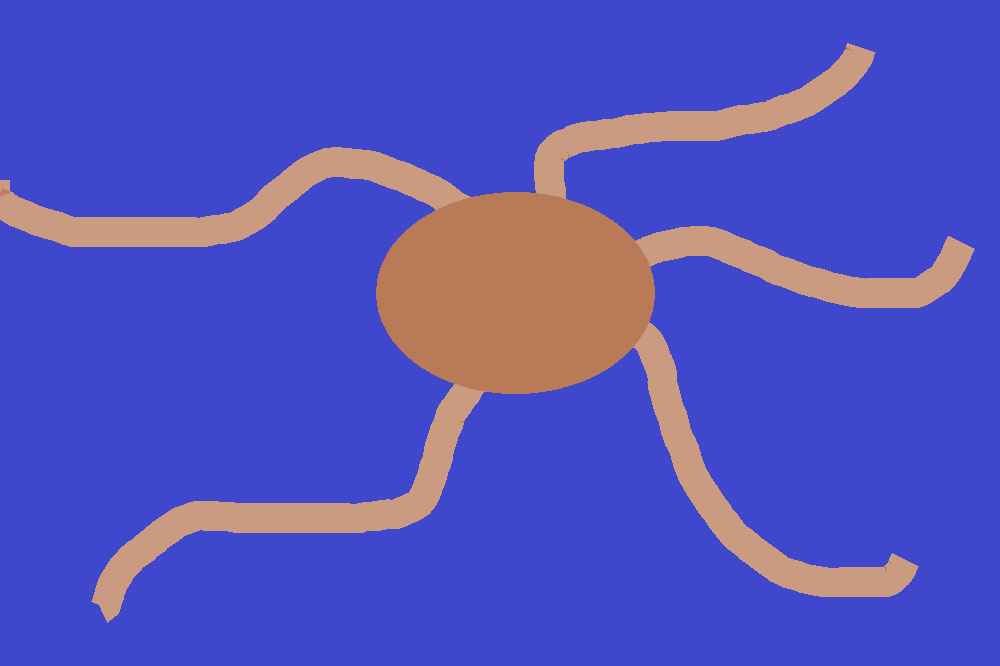
The image above is a daisy brittle star, one of the types of the sea star we found.
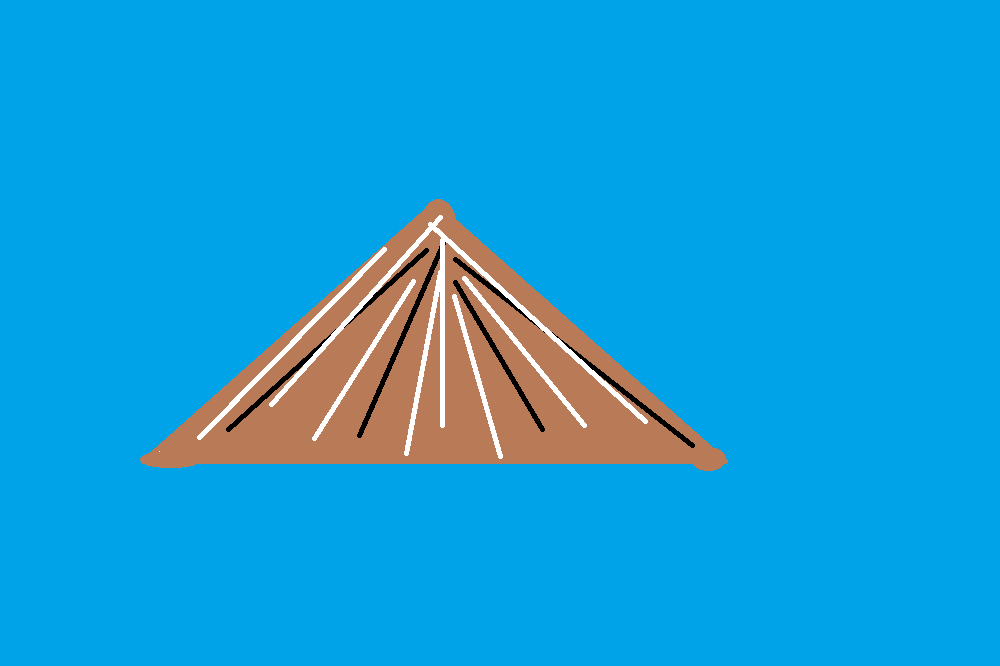
This was a picture of a limpit, a small shelled creature we found a lot of.
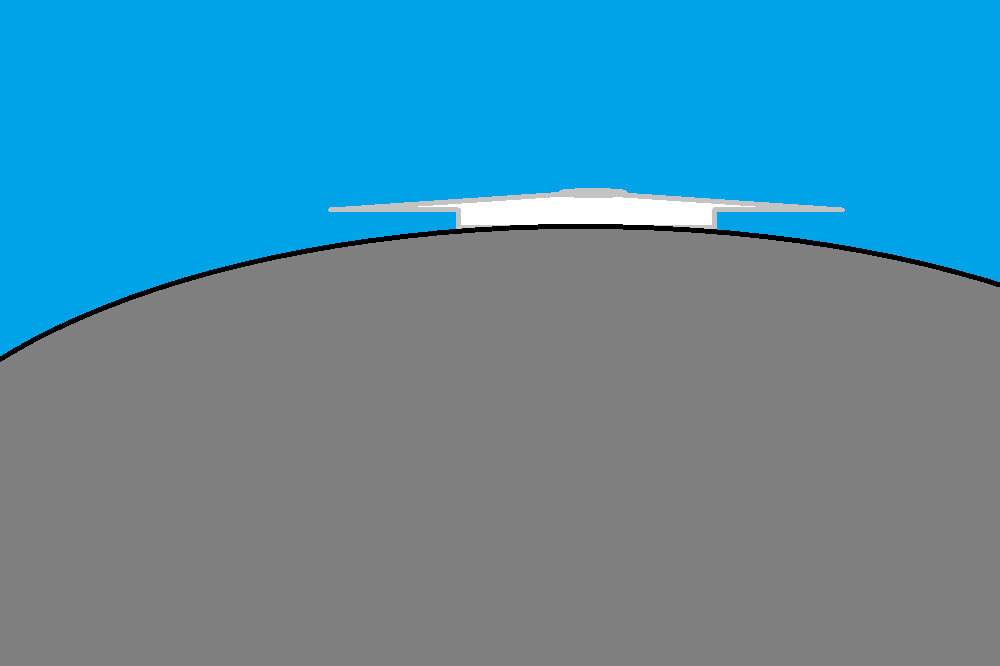
This is a picture of a barnicle, one of the many that cover the white zone.