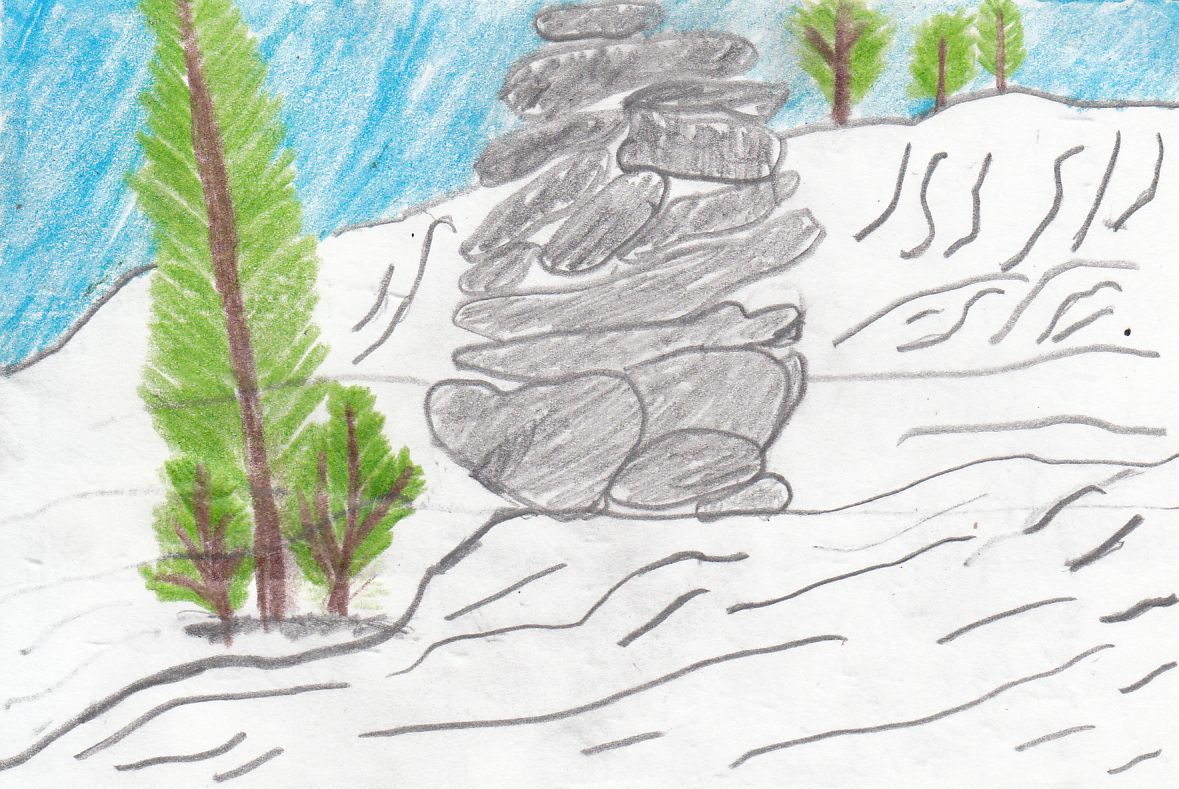
My Awesome Cardigan Mountain Trip
By Angelo C.
September 25 26 27 2022
Copyright 2022
What is the location of Cardigan Mountain?
Relative Location:
Cardigan Mountain is centrally located in a region of the United States known as New England in the state of New Hampshire. It is northwest of the state capital Concord by 35 ish miles and 15.5 ish miles east of the Connecticut River. It is about 60 ish miles north of Massachusetts.
Absolute Location:
Cardigan Mountain Lodge, at the base of Mount Cardigan, is located at 774 Shem Valley Road in Alexandria, New Hampshire. The latitude and longitude of the front door is 43 degrees, 38 minutes, and 57 seconds north, 71 degrees 52 minutes, 41 seconds west. The latitude and longitude of the trail head known as Manning Trail just outside of the lodge is 43 degrees, 38 minutes, and 58 seconds north, 71 degrees 52 minutes, 43 seconds west. The absolute location of the summit is 43 degrees, 38 minutes, 58 seconds north and 71 degrees 54 minutes, and 51 seconds West.
Description of Cardigan Place
Physical Place:
The Physical Place of Cardigan Mountain has a varied 3 forest zoned landscape. At the base of the mountain we start with the Northern Hardwood Zone. In this zone we can find flora such as ferns, Sugar Maples, Beech Trees, Hobble Bush, Hawthorn, Yellow and White Birch, Hemlock, White Pine, and lillies. You can also find fauna such as beaver in their ponds, hares, frogs, snakes, moose, bear, porcupine, and red squirrels. Moving up in elevation above 3000 feet we transition with some overlapping life to the Boreal Forest Zone. Here we find more hobble bush, lilies, white birch and other flora like balsam fir, mountain ash, red spruce, lots of mosses, and bunches of berries. We can also find black flies, toads, more red squirrels, nut hatches, warblers, thrushes, and jays. Finally we enter an area known as the krummholz and alpine zones. In these areas you are almost to the summit of 3,155ft and you can see stunted trees that struggle to grow and lots of lichens, sedges, and other things growing in the exposed granite and bedrock. You can even see dikes of dark basalt. The weather at the base of the mountain is typically warmer than at the top because the higher you go, the colder it gets when hiking! Also, be aware that the wind can be more brutal where you are exposed above the tree line!
Cultural Place:
Thousands of years ago native people known as the Abenaki lived in the forests around and on Mount Cardigan. In the 1500s European settlers came and began to settle and live in the region building towns and homesteads that eventually spread to the lands of Cardigan. A few hundred years ago about 80 percent of New Hampshire was deforested by the Europeans while they cleared the land for farming. This probably included Cardigan Mountain because we saw stone walls while we were hiking and stone walls were built mostly by farmers for keeping mostly sheep and other livestock separate from farming areas. As time went on the peoples lives changed and the forest grew back. Sadly, in the 1800s a forest fire burned all of the trees on the summit and left just soil that eroded away. Today you can find Cardigan Mountain being used as a recreational and educational destination along with being used for skiing and a fire lookout location. The lands around the mountain are protected and cared for by the AMC. The Appalachian Mountain Club. The people who run the AMC have educators and guides that welcome happy hikers from all over the world. It is a friendly place to get some nature therapy.